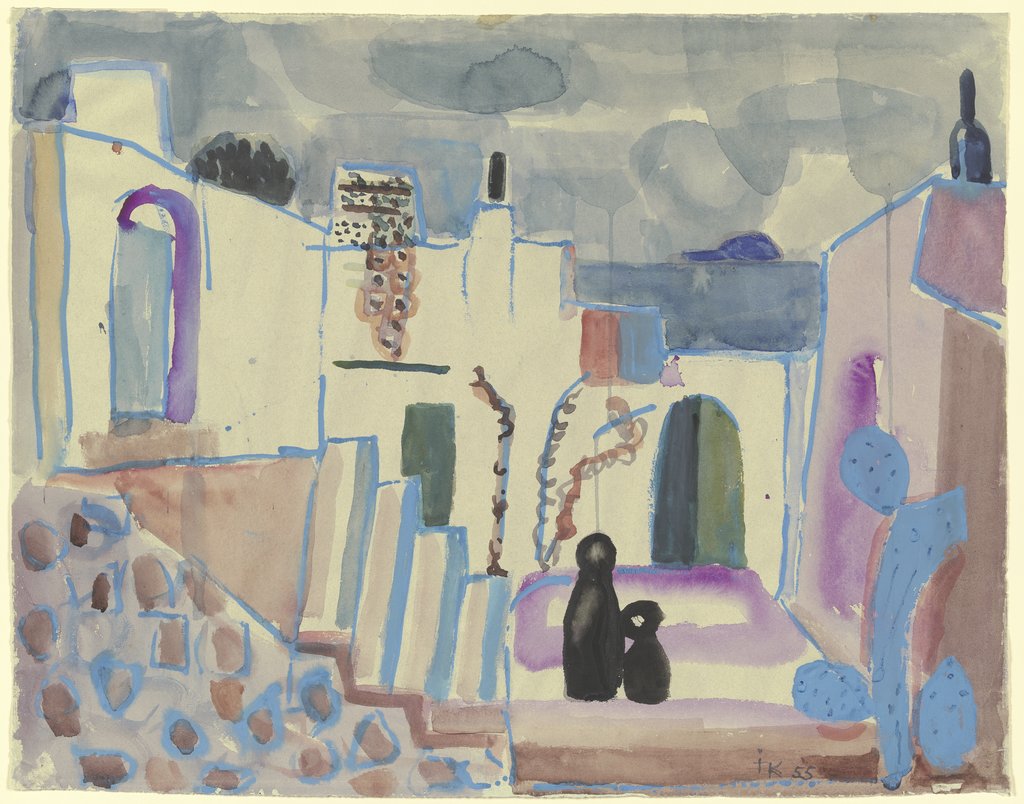
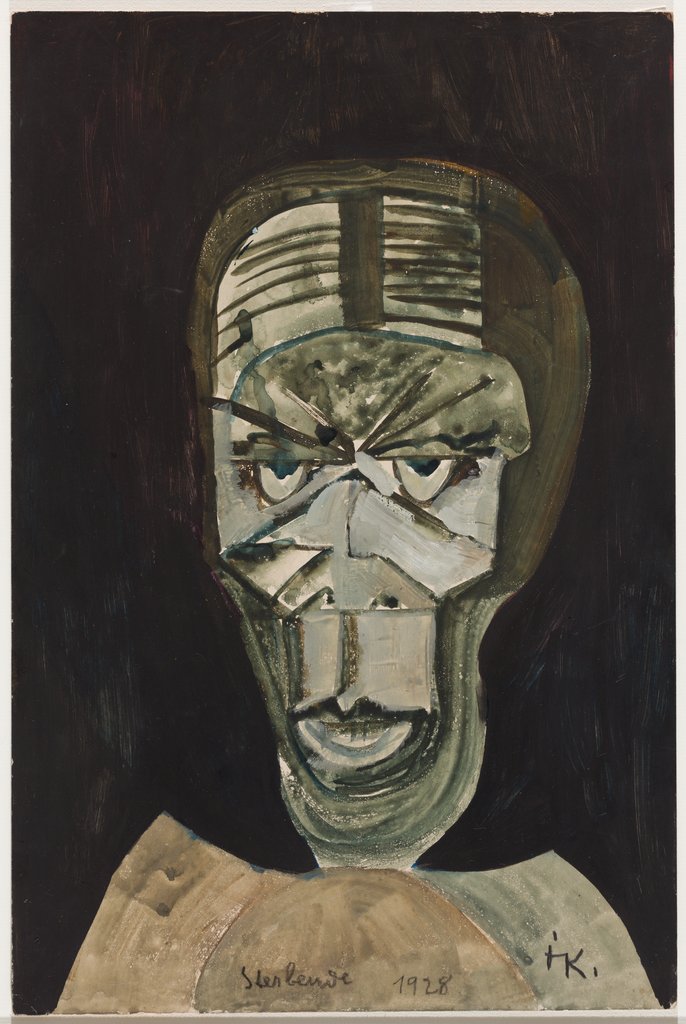
Ida Kerkovius came from a German-Baltic family, was born in Riga, where she started her artistic training, completing courses at Elise von Jung-Stilling’s drawing and painting school in 1899. In 1903, she studied under Adolf Hölzel in Dachau. After a short residence in Berlin, she continued her studies with Hölzel from 1908 at the art academy in Stuttgart. In 1911, he appointed her as a master class student (Meisterschülerin); she also became his assistant and was granted her own studio. After the outbreak of the First World War, she had to give up her licence to teach at the academy since she was considered to be a Russian citizen. She kept working and teaching in her private studio in Stuttgart and exhibited regularly.
From 1915/16, Hanna Bekker vom Rath became her student on the recommendation of Ottilie W. Roederstein. A continuous friendship developed between these three women and Elisabeth H. Winterhalter.
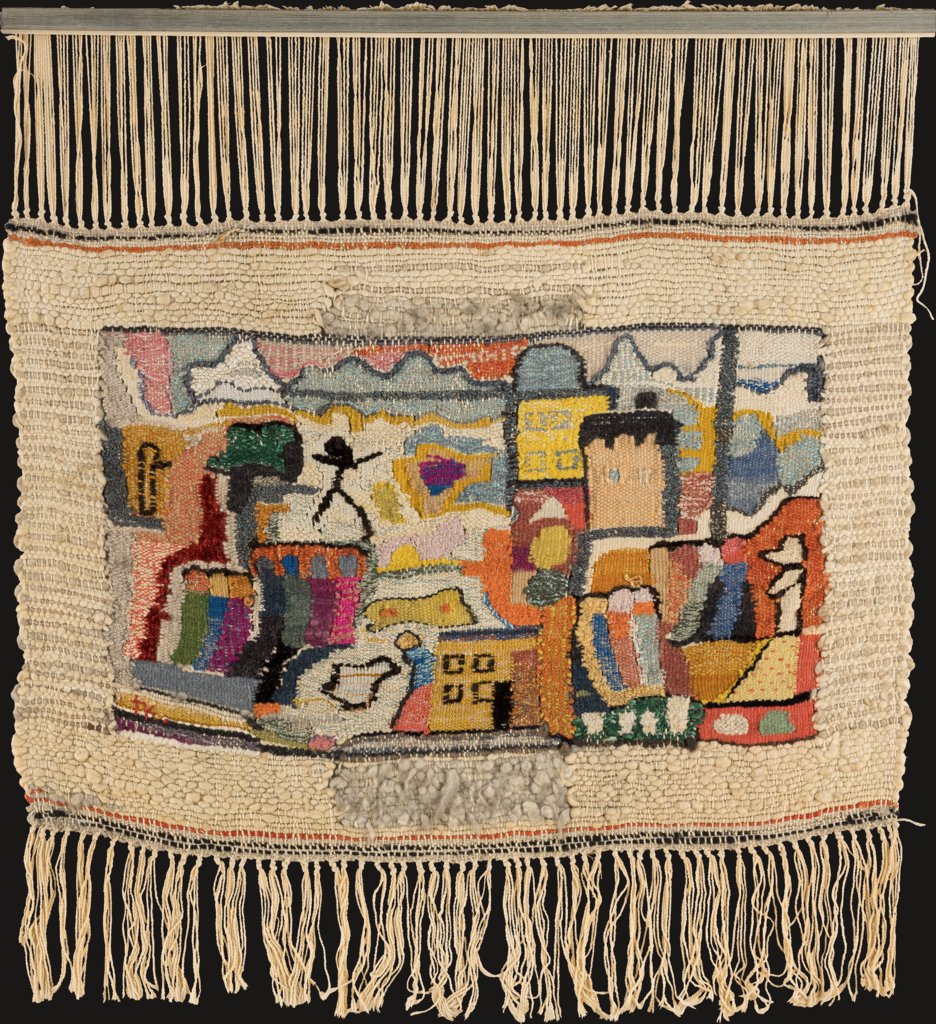
In 1920, Kerkovius continued her artistic training at Staatliche Bauhaus in Weimar. After finishing the pre-course, she switched to weaving and received her first orders in 1922 for wall hangings and rugs. Her works were defamed as “degenerate” under the Nazi regime, yet she continued her artistic work, supported by Hanna Bekker vom Rath.
After the Second World War, Kerkovius became a recognised artist and was awarded the Federal Cross of Honour, First Class, in 1954. She regularly exhibited her works until her death.